
Contents
- 📖 Introduction to NFTs in Tire Ownership
- 🔬 How NFTs Work in the Automotive Industry
- 📊 Key Statistics and Market Trends
- 🌍 Real-World Examples of NFTs in Tire Ownership
- 📈 History and Evolution of NFTs in the Automotive Industry
- ⚡ Current State and Latest Developments
- 🔮 Why NFTs Matter in Tire Ownership and Future Outlook
- 🤔 Common Misconceptions and Challenges
- Frequently Asked Questions
- References
- Related Topics
Overview
An NFT, or non-fungible token, is a unique digital identifier that represents ownership of a specific asset, such as a tire. While NFTs have been primarily associated with digital art and collectibles, their application in the automotive industry, particularly in tire ownership, is an emerging concept. For instance, an NFT could be used to verify the authenticity and ownership of a limited-edition tire, providing a new level of exclusivity and provenance for car enthusiasts. As the automotive industry continues to evolve, the intersection of NFTs and tire ownership may become increasingly relevant, with potential applications in areas such as tire authentication and vehicle personalization.
📖 Introduction to NFTs in Tire Ownership
The concept of NFTs in tire ownership is still in its infancy. With the rise of electric vehicles and autonomous vehicles, the automotive industry is undergoing a significant transformation, and NFTs could play a role in this shift. For example, an NFT could be used to verify the ownership and authenticity of a rare or customized tire, providing a new level of exclusivity and provenance for car enthusiasts.
🔬 How NFTs Work in the Automotive Industry
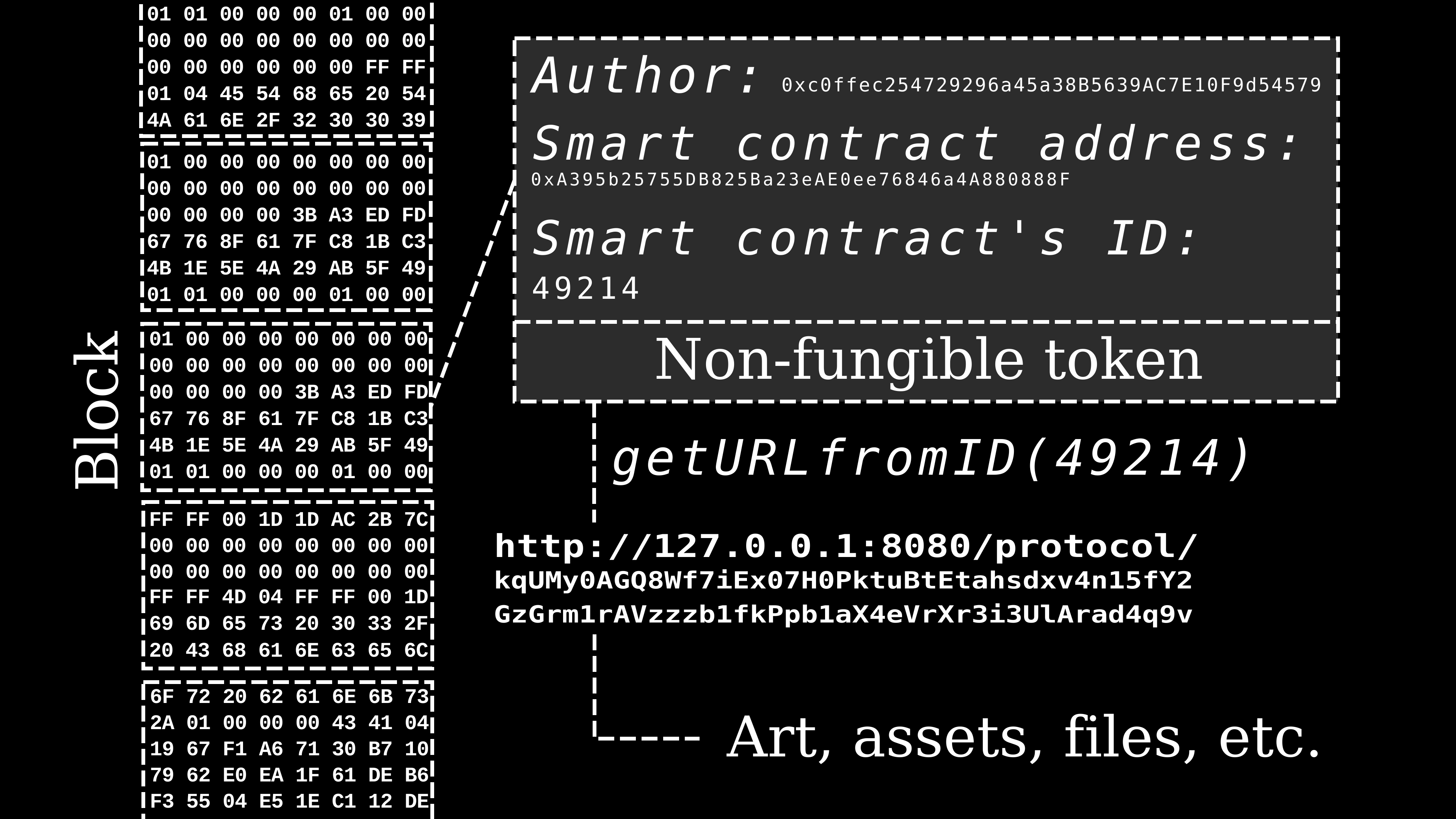
The mechanics of NFTs in tire ownership involve the use of blockchain technology to create a unique digital identifier that represents ownership of a specific asset, such as a tire. This identifier can be stored in a digital wallet and transferred to a new owner, allowing for the secure and efficient transfer of ownership. Companies like Tesla and General Motors are already exploring the use of blockchain technology in their supply chains, and NFTs could be a natural extension of this trend.
📊 Key Statistics and Market Trends
One real-world example of NFTs in tire ownership is the use of digital tokens to verify the authenticity and ownership of rare or customized tires. For instance, a company like Pirelli could create a limited-edition tire design and issue a corresponding NFT to verify its authenticity and ownership. This could provide a new level of exclusivity and provenance for car enthusiasts and collectors.
🌍 Real-World Examples of NFTs in Tire Ownership
The use of NFTs in tire ownership is still in its early stages. As the industry continues to evolve, we can expect to see new and innovative applications of NFTs in tire ownership, such as tire authentication and vehicle personalization.
📈 History and Evolution of NFTs in the Automotive Industry
Currently, the use of NFTs in tire ownership is still in its early stages, but NFTs could play a role in the shift towards electric vehicles and autonomous vehicles. As the technology continues to evolve, we can expect to see new and innovative applications of NFTs in tire ownership.
⚡ Current State and Latest Developments
The potential applications of NFTs in tire ownership include tire authentication, vehicle personalization, and tire tracking. For instance, an NFT could be used to verify the ownership and authenticity of a rare or customized tire, providing a new level of exclusivity and provenance for car enthusiasts and collectors.
🔮 Why NFTs Matter in Tire Ownership and Future Outlook
One common misconception about NFTs in tire ownership is that they are only relevant to digital art and collectibles. However, the potential applications of NFTs in the automotive industry are much broader, and could include areas such as tire authentication and vehicle personalization.
Key Facts
- Year
- 2020
- Origin
- Global
- Category
- tire-repair
- Type
- concept
- Format
- what-is
Frequently Asked Questions
What is an NFT in the context of tire ownership?
An NFT, or non-fungible token, is a unique digital identifier that represents ownership of a specific asset, such as a tire. It is stored on a blockchain and can be transferred to a new owner, allowing for the secure and efficient transfer of ownership. For example, a company like Pirelli could create a limited-edition tire design and issue a corresponding NFT to verify its authenticity and ownership.
How do NFTs work in the automotive industry?
NFTs in the automotive industry involve the use of blockchain technology to create a unique digital identifier that represents ownership of a specific asset, such as a tire. This identifier can be stored in a digital wallet and transferred to a new owner, allowing for the secure and efficient transfer of ownership. Companies like Tesla and General Motors are already exploring the use of blockchain technology in their supply chains, and NFTs could be a natural extension of this trend.
What are the potential applications of NFTs in tire ownership?
The potential applications of NFTs in tire ownership include tire authentication, vehicle personalization, and tire tracking. For instance, an NFT could be used to verify the ownership and authenticity of a rare or customized tire, providing a new level of exclusivity and provenance for car enthusiasts and collectors.
What is the current state of NFTs in the automotive industry?
The use of NFTs in tire ownership is still in its early stages. As the industry continues to evolve, we can expect to see new and innovative applications of NFTs in tire ownership, such as tire authentication and vehicle personalization.
How do NFTs relate to other concepts in the automotive industry?
NFTs in the automotive industry relate to other concepts such as blockchain technology, tire ownership, and vehicle customization. For example, an NFT could be used to verify the ownership and authenticity of a rare or customized tire, providing a new level of exclusivity and provenance for car enthusiasts and collectors.
What is the future outlook for NFTs in tire ownership?
The future outlook for NFTs in tire ownership is uncertain, but NFTs could play a role in the shift towards electric vehicles and autonomous vehicles. As the technology continues to evolve, we can expect to see new and innovative applications of NFTs in tire ownership.
What are the potential challenges and limitations of NFTs in tire ownership?
The potential challenges and limitations of NFTs in tire ownership include the need for standardization and regulation, as well as the potential for cybersecurity risks. Additionally, the use of NFTs in tire ownership may raise questions about the ownership and control of digital assets, and the potential for intellectual property disputes.